
There’s something magical about creating a warm, comforting dish like Panang Curry that instantly transports me to a bustling street market in Thailand. I remember the first time I tasted this vibrant curry, the rich flavors exploding with every bite and the aroma filling the air. It was an adventure for my taste buds, a delightful mix of heat and sweetness that made me crave more. Now, I love to prepare Panang Curry at home, where I can play with flavors and make it my own.
Every time I whip up this dish, I think of the friends and family gathered around my table, their eyes lighting up as the first plate is served. The rich, creamy coconut milk and the deep notes of the red curry paste create a harmonious balance that’s hard to resist. It’s not just a meal; it’s an experience, a way to connect with the flavors of Thailand right in my own kitchen. Whether enjoyed on a chilly evening or shared during a festive gathering, Panang Curry brings warmth and joy.
The best part? It’s surprisingly easy to make! With a few key ingredients and a bit of love, you can create a dish that feels special yet comforting. I can’t wait for you to try it!
Recipe Snapshot
40 mins
15 mins
25 mins
Easy
420 kcal
25 g
Keto
25 g
Large Pot, Skillet, Saucepan, Wooden Spoon, Oven, Chef’s Knife, Peeler, Baking Sheet
Why We Love This Panang Curry
It’s All About the Flavor
The vibrant and aromatic flavors of Panang Curry come from a perfect blend of spices and fresh ingredients. The combination of coconut milk, red curry paste, and fresh herbs creates a depth of flavor that’s simply irresistible. Every spoonful is a new experience, as the richness of the coconut milk balances the spiciness of the curry paste.
Versatility is Key
Another reason to love Panang Curry is its versatility. You can use a variety of proteins, from chicken to chickpeas, making it adaptable for various diets. Whether you’re cooking for meat lovers or vegetarians, this curry can easily cater to everyone’s tastes. Plus, it pairs beautifully with rice, making it a complete meal in itself.
Perfect for Meal Prep
If you’re like me and enjoy meal prepping, then Panang Curry is a fantastic option. It stores well, and the flavors deepen after sitting in the fridge for a day. You can make a large batch ahead of time and enjoy it throughout the week. The ease of reheating means you can have a delicious homemade meal ready to go in no time.
Family-Friendly Delight
Even picky eaters can’t resist Panang Curry. The creamy texture and balanced flavors make it appealing to kids and adults alike. It’s a great way to introduce them to new ingredients and flavors without overwhelming them. Trust me; they won’t even notice the veggies hiding in the mix!
Great for Entertaining
Hosting friends or family? Panang Curry is a perfect crowd-pleaser. The vibrant colors and aromatic scents will impress your guests, and the ease of preparation means you won’t be stuck in the kitchen for hours. Serve it alongside some fresh herbs and lime wedges for a bright finish, and you’ll have a dish that steals the show.
What’s In This Panang Curry
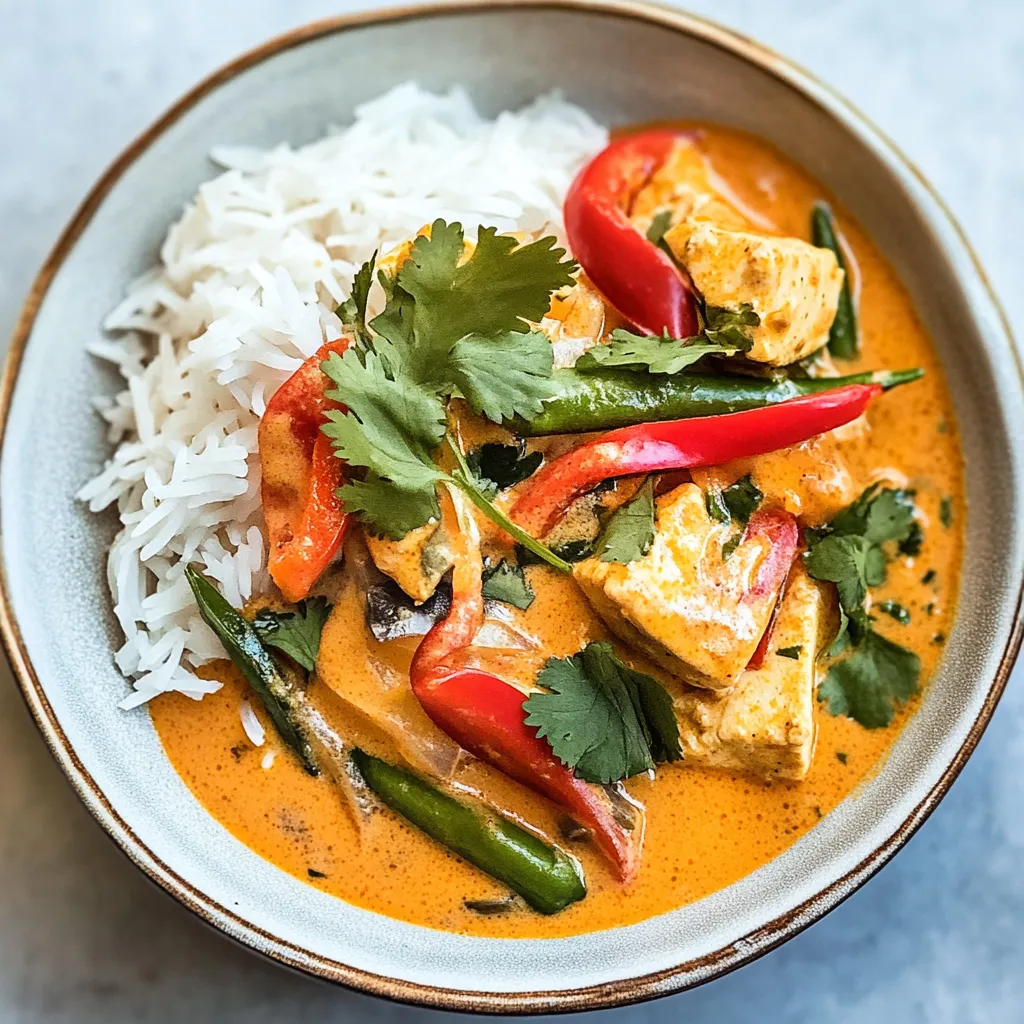
When it comes to the ingredients for Panang Curry, each one plays a crucial role in building flavor and texture. The harmony of these fresh components creates a dish that is not only satisfying but also nourishing. Let’s dive into the key players that make this curry truly special.
- Coconut Oil: This oil is the perfect base for sautéing, bringing a subtle sweetness that complements the curry.
- Yellow Onion: Adds sweetness and depth, serving as the aromatic foundation of the dish.
- Thai Red Curry Paste: The heart of the dish, this paste brings a vibrant color and a bold, spicy kick.
- Carrots: They add a slight crunch and natural sweetness, balancing out the spices in the curry.
- Red Bell Peppers: These provide a pop of color and a sweet, juicy texture that complements other ingredients.
- Coconut Milk: Essential for that creamy texture and rich flavor, it enhances the taste while mellowing the spice.
- Thai Basil: With its unique aroma, it elevates the dish with a fresh, herbal note.
- Chicken Breast or Chickpeas: Protein is crucial, whether you choose tender chicken or hearty chickpeas for a vegetarian option.
- Bamboo Shoots: These add a delightful crunch and unique texture to the curry.
- Peanut Butter: Provides a rich, creamy element, enhancing the curry’s depth.
- Soy Sauce: This adds umami flavor, enhancing the overall taste of the curry.
- Fish Sauce: A traditional Thai ingredient that adds a salty depth (or use soy sauce if vegetarian).
- Coconut Sugar: Sweetens the dish naturally, balancing the spice from the curry paste.
- Limes: The zest and juice brighten the dish, adding freshness.
- Rice or Quinoa: Serve as a base to soak up the delicious curry sauce.
- Chopped Peanuts: These add a crunch and nutty flavor, making for a perfect garnish.
Recipe Steps for Panang Curry

Making Panang Curry is a delightful process that’s filled with enticing aromas and vibrant colors. Just imagine your kitchen filled with the sweet and spicy scents as you bring this dish to life! Follow these steps for a satisfying cooking experience.
- In a large, deep Dutch oven, heat the coconut oil over medium heat. You’ll know it’s ready when it begins to shimmer. Add the yellow onion, and sauté until it softens and turns translucent, about five minutes. This step is crucial as it sets the aromatic base for your curry.
- Next, add the Thai red curry paste. Stir it quickly to coat the onions evenly, allowing the flavors to meld. Cook it for about one to two minutes; you’ll notice the colors deepen and the aroma become more fragrant.
- Pour in the coconut milk and add the Thai basil leaves. Bring this mixture to a boil, stirring occasionally. After about eight minutes, it should thicken slightly. Keep an eye on it to ensure it doesn’t stick to the bottom.
- Now, toss in the carrots and red bell peppers. Let them boil and stir for five more minutes. They should become tender yet retain a bit of crunch for texture.
- Reduce the heat to medium-low and add the chicken or chickpeas, bamboo shoots, peanut butter, fish sauce, Worcestershire sauce, and coconut sugar. Simmer this wonderful mixture, stirring often, until the chicken is cooked through, about four to six minutes. The chicken should be tender and fully cooked without any pink remaining.
- Once everything is cooked, remove the pot from the heat. Stir in the zest and juice of the limes. This adds a fresh brightness that elevates the flavor of your Panang Curry.
- Serve your curry hot over cooked brown rice, cauliflower rice, or quinoa. Garnish with chopped unsalted roasted peanuts and additional basil leaves for an extra splash of color and flavor.
- Enjoy your creation with friends or family, sharing the joy of this delicious meal together!
Things Worth Knowing
- Consistent Simmering: Keep the heat steady while cooking to ensure all ingredients meld beautifully.
- Flavor Depth: Don’t rush the sautéing of onions; this builds the foundational flavor of your curry.
- Peanut Butter Quality: Use a natural peanut butter for the best flavor and texture in your curry.
- Curry Paste Variety: Feel free to adjust the amount of curry paste based on your spice preference—start mild and add as desired.
Change It Up
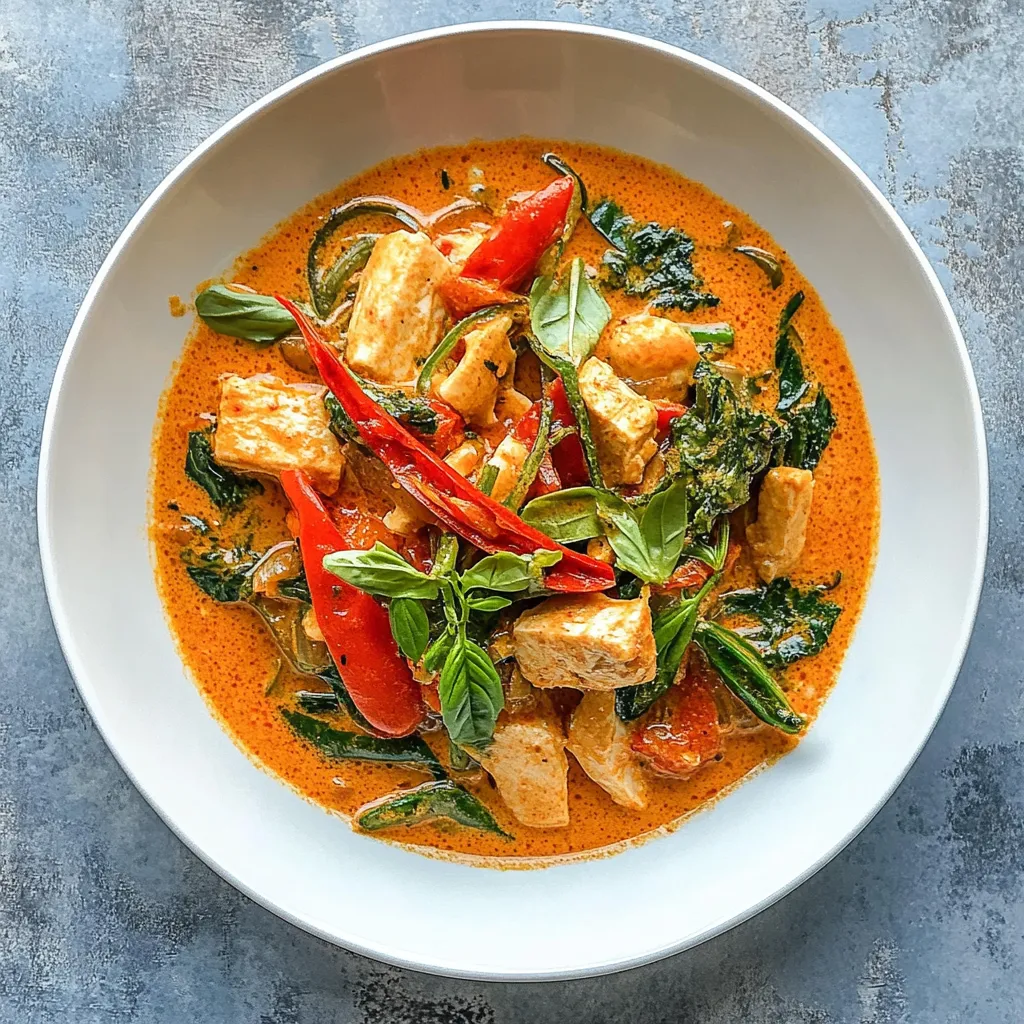
There are countless ways to customize Panang Curry to suit your taste or dietary needs. Here are some ideas:
- Storage: Refrigerate leftovers in an airtight container for up to four days to maintain freshness.
- Freezing: You can freeze Panang Curry for up to three months. Just thaw overnight in the fridge before reheating.
- Pairing: Serve with fresh lime wedges for a zesty kick and additional basil leaves for aroma.
- Vegetarian Option: Swap the chicken for extra tofu or vegetables like bell peppers and zucchini for a hearty vegetarian version.
- Spice Level: Adjust heat levels by using less curry paste or adding more depending on your preference.
- Serving Suggestions: Serve with a side of steamed vegetables or a simple cucumber salad for a refreshing contrast.
What to Serve Alongside Panang Curry
Pairing dishes with Panang Curry can elevate your dining experience and make it even more enjoyable. Here are some great options:
- Steamed Jasmine Rice: The light, fluffy texture of jasmine rice complements the rich curry perfectly.
- Cauliflower Rice: For a low-carb alternative, serve with cauliflower rice for a deliciously healthy option!
- Quinoa: This protein-packed grain is a nutritious pairing that absorbs the flavors of the curry.
- Fresh Salad: A light cucumber or Asian-style salad adds a refreshing crunch to balance the richness of the curry.
- Spring Rolls: Serve alongside fresh or fried spring rolls for a fun appetizer that pairs beautifully.
- Fruit Salad: A tropical fruit salad can be a delightful contrast to the spicy curry.
- Occasions: Panang Curry shines during gatherings, family dinners, or casual get-togethers, effortlessly impressing your guests.
FAQ
Conclusion
In conclusion, Panang Curry is a delightful dish that brings comfort and joy with its rich flavors and creamy texture. It’s perfect for any occasion, whether a cozy family dinner or a gathering with friends. I encourage you to give this recipe a try and experience the wonderful taste of Thailand in your home. You’ll find that it’s a fantastic way to bring people together, creating lasting memories over delicious food.
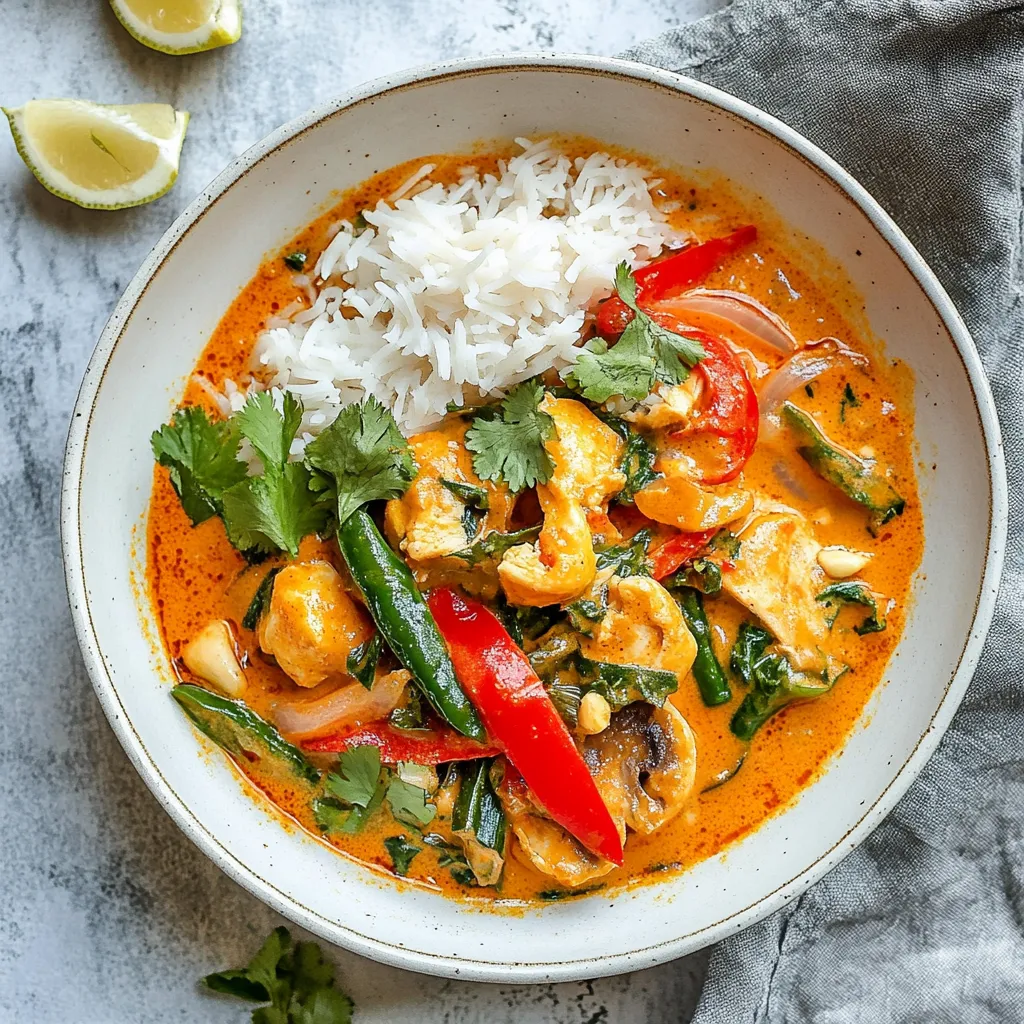
Panang Curry
Ingredients
Equipment
Method
- In a Dutch oven or similar large, deep, sturdy pot, heat the coconut oil over medium heat. Add the yellow onion and sauté until it is softened and turning translucent, about 5 minutes.
- Add the red curry paste and stir very quickly to coat the onion.
- Add the coconut milk and basil and bring to a boil. Continue to boil, stirring periodically, until somewhat thickened, about 8 minutes.
- Add the carrot and bell peppers. Boil and stir for 5 minutes more.
- Reduce the heat to medium-low and add the chicken, bamboo shoots, peanut butter, fish sauce, Worcestershire sauce, and coconut sugar. Simmer, stirring often, until chicken is cooked through, about 4 to 6 minutes.
- Remove from the heat. Stir in the lime zest and juice. Serve hot with rice and a sprinkle of chopped peanuts and basil.
Notes
- Tip 1: Refrigerate leftovers in an airtight storage container for up to 4 days.
- Tip 2: Rewarm curry in a Dutch oven on the stovetop over medium-low heat or in the microwave.
- Tip 3: Freeze leftovers in an airtight, freezer-safe storage container for up to 3 months. Let thaw overnight in the refrigerator before reheating.