

The Angku Kuih, also known as the Red Tortoise Cake, holds a special place in my heart. Growing up, I remember my grandmother expertly crafting these delicate little gems in her kitchen, the aroma of steaming rice flour and sweet potatoes wafting through the air. Each time she pulled them from the steamer, they glistened with a beautiful sheen, their vibrant orange hue making my mouth water in anticipation. This delightful treat is not only a symbol of prosperity but also a cherished snack during festive occasions. Every bite of the Angku Kuih combines the subtle sweetness of the filling with the soft, chewy texture of the rice flour skin, creating a harmonious balance that dances on your palate.
As I grew older, I found myself drawn to the kitchen, eager to learn the art of making Angku Kuih. It became more than just a recipe; it was a way to connect with my heritage, to relive the memories of family gatherings, and to share a piece of my culture with friends. The act of shaping each piece and carefully wrapping the filling felt almost meditative, bringing a sense of calm and fulfillment. Now, I love to whip up a batch of Angku Kuih whenever I want to reminisce about those cherished childhood moments. They make for a perfect afternoon snack or a delightful dessert after dinner, and I can’t wait to share this recipe with you so that you too can experience the joy of making this traditional delicacy.
Recipe Snapshot
1 hr 10 mins
10 mins
60 mins
Medium
150 kcal
3 g
Paleo, Vegan, Gluten-Free
2 g
Large Pot, Mixing Bowl, Blender, Wooden Spoon
Why This Angku Kuih Is a Winner
Rich Cultural Heritage
One of the reasons I adore Angku Kuih is its deep-rooted cultural significance. Originating in Chinese culture, it represents good fortune and prosperity. By serving these delightful cakes during family gatherings or festivals, we honor our traditions and share blessings with loved ones.
Unique Texture
The texture of Angku Kuih is a true standout feature. The combination of glutinous rice flour and the sweet potato filling creates a chewy, satisfying experience that’s unlike any other dessert. It’s truly a treat that brings comfort.
Customizable Fillings
While the traditional filling is made with sweet potatoes, I love how versatile this recipe can be. You could experiment with various fillings, such as red bean paste or even a modern twist with chocolate, making it a fun experience each time!
Fun and Engaging Process
Making Angku Kuih is not just about the end product; it’s about the journey. As you knead the dough, fill each piece, and mold them, you can involve family and friends. It transforms into a fun cooking session, perfect for bonding and creating memories.
Beautiful Presentation
These little cakes are visually stunning, especially when you use colorful banana leaves for presentation. They make for a gorgeous addition to any table, whether it’s a family dinner or a festive celebration.
Satisfying Sweetness
The sweet potato filling combined with just the right amount of sugar offers a satisfying sweetness without being overpowering. It’s the perfect treat for satisfying those sweet cravings!
What’s In This Angku Kuih
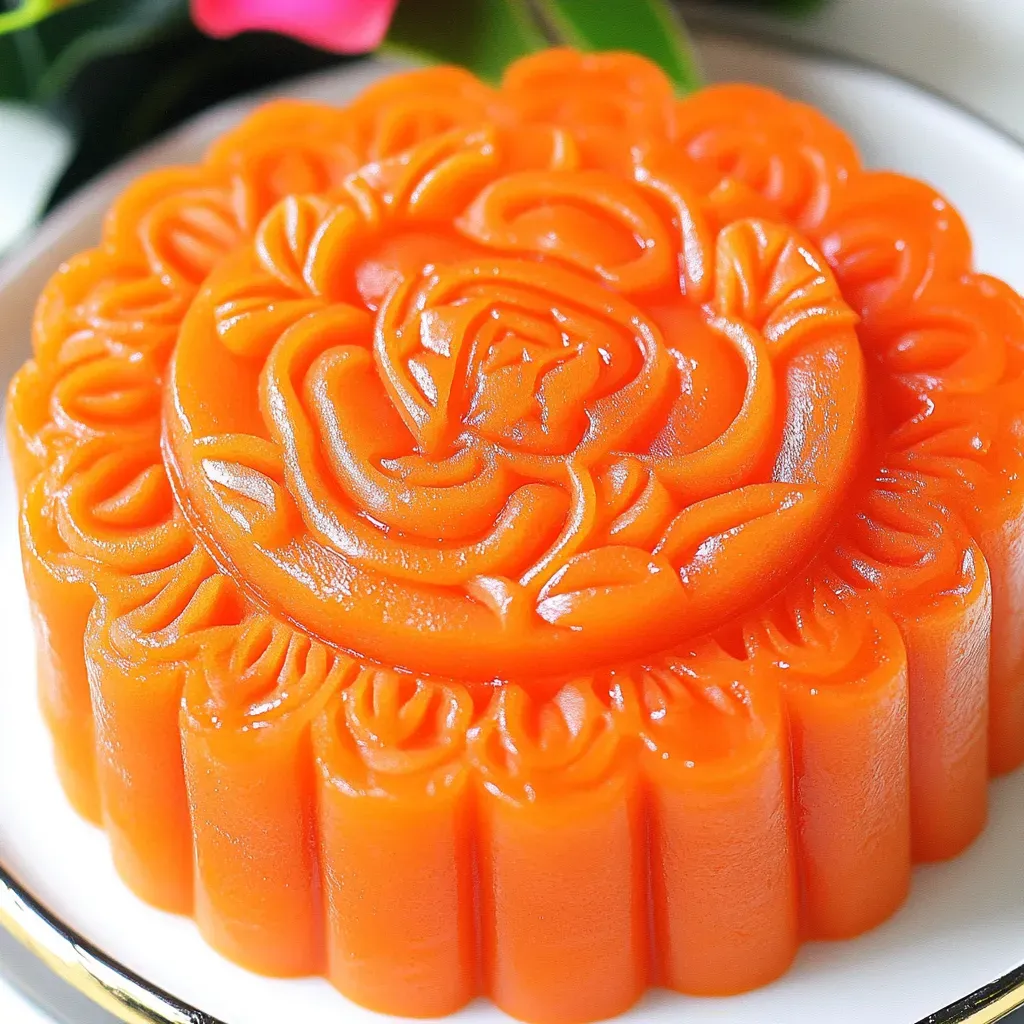
When it comes to making Angku Kuih, the ingredients play a vital role in achieving that perfect taste and texture. Each component brings its unique flavor and character to this delightful treat. The key players in this dish include the glutinous rice flour, which gives the cake its signature chewy texture, and the sweet potato that offers natural sweetness and color.
- 300g split green bean, washed and soaked for 6 hours: A unique filling, these beans provide an earthy base that balances the sweetness.
- 200g fine sugar: Sweetening the filling to create a delicious contrast to the chewy skin.
- 4 tablespoons oil: Adds moisture and a rich flavor to the filling mixture.
- 1/8 teaspoon Wilton orange coloring: Enhances the visual appeal with a vibrant hue.
- 200g wheat starch, Tung Mein Fun: Essential for achieving the right texture in the skin of the cake.
- 150g water: A necessary component for mixing with the starch to form the dough.
- 500g boiling water: Used to create a smooth, pliable dough.
- 4 tablespoons sugar: Sweetens the dough slightly while complementing the filling.
- 500g glutinous rice flour: The main ingredient for the chewy outer layer of the Angku Kuih.
- 100g mashed orange color sweet potato: Adds flavor, color, and moisture to the filling.
- 250g water: Aiding in the mixing of the sweet potato into the filling.
- 120g cooking oil: Helps to achieve the right consistency in the dough.
- 1 banana leaf, cut into a rectangle to fit the angku mold: Essential for steaming, providing a subtle aroma and non-stick surface.
- 3 tablespoons oil: For greasing the banana leaves, ensuring the Angku Kuih releases easily after steaming.
How to Prepare Angku Kuih
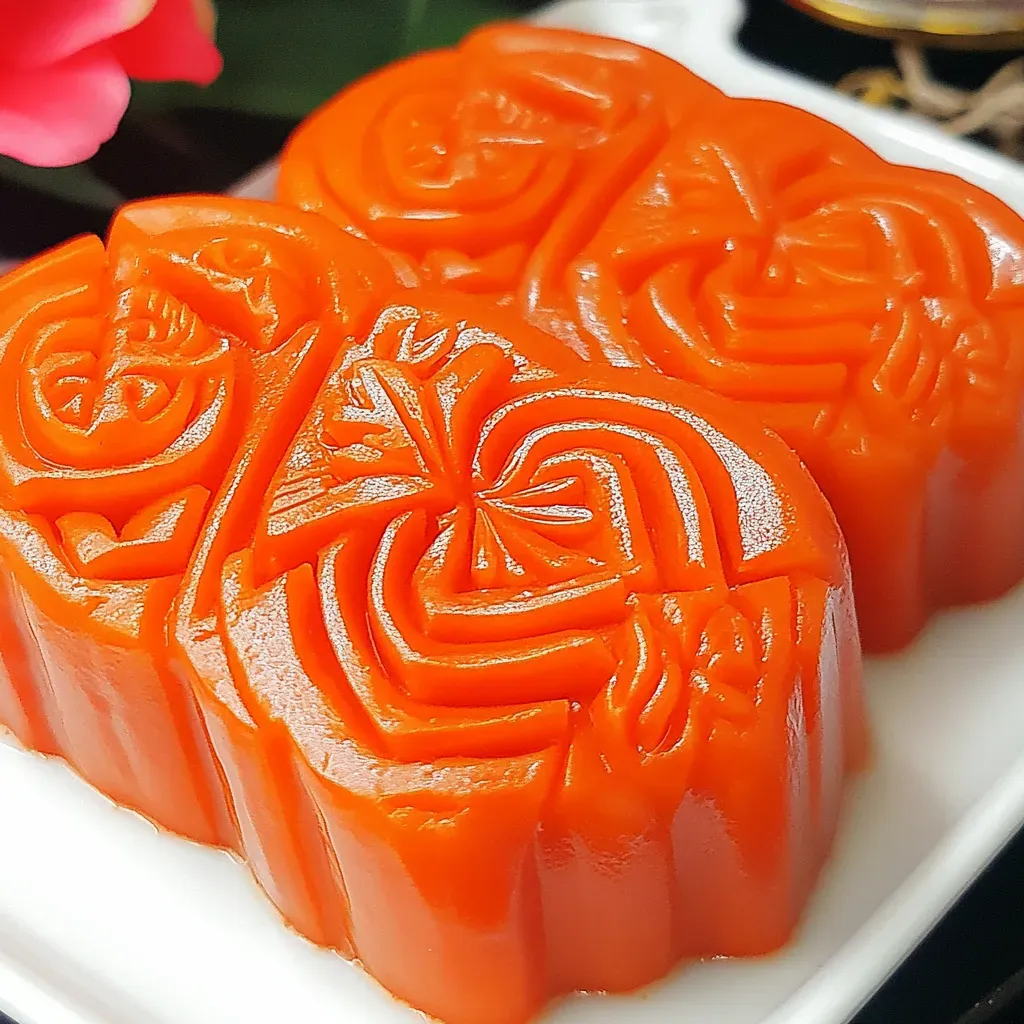
Preparing Angku Kuih can be a delightful experience, and with a little patience, you’ll be rewarded with these beautiful treats. Follow these steps closely, and you’ll find the process enjoyable and rewarding. Let’s get started!
- Steam the green beans over boiling water for about 30 to 40 minutes until they are soft. You want them tender enough to blend easily into a smooth paste. Keep an eye on them so they don’t overcook or dry out.
- Once the green beans are soft, blend or mash them until they form a creamy paste with no lumps. This texture is crucial as it will become the filling.
- In a wok, combine the green bean paste with the sugar and oil. Stir over low to medium heat until the mixture thickens and becomes sticky, which should take about 10 minutes. You want it to be thick enough that it no longer clings to your hands when you touch it.
- After cooking, let the filling cool, then shape it into small balls, each weighing about 20g (¾ oz). Keep the size consistent to ensure even cooking later.
- In a separate bowl, mix the coloring, wheat starch, and water. Stir until well-blended and smooth. This will form the outer dough that encases your filling.
- Now, add in the boiling water into the starch mixture. Mix until it becomes smooth and translucent. This step is essential for achieving the right consistency.
- Gradually incorporate the sugar, glutinous rice flour, sweet potatoes, and water into the mixture. Knead until everything is well combined and you have a dough that’s smooth and doesn’t stick to your hands.
- Slowly add the oil as you continue kneading. The oil will help to make the dough more pliable and shiny, so take your time with this step.
- Lightly grease the banana leaves with oil. This layer prevents the Angku Kuih from sticking and helps them maintain their shape.
- Divide the skin dough into 30 equal pieces. Flatten each piece to about 1/4 inch thick. Place the filling inside and carefully wrap it up, sealing it well.
- Now, dust the Angku mold lightly with glutinous rice flour. This will help the dough release easily after molding. Press each dough ball into the mold, then gently knock it out.
- Place the Angku on the banana leaf and steam over boiling water for about 10 minutes. Keep an eye on them; they should be firm to the touch when cooked.
- To finish, brush the surface of the cooked Angku Kuih with oil to give them a beautiful glossy finish. This not only enhances the visual appeal but also adds a touch of richness.
Things Worth Knowing
- Texture is Key: The dough must be kneaded until it’s smooth and elastic for the perfect chewy texture.
- Don’t Rush the Process: Give the green beans enough time to become soft. Rushing may lead to a gritty filling.
- Use Quality Ingredients: The quality of your sweet potatoes and rice flour directly influences the taste and texture of the Angku Kuih.
- Practice Makes Perfect: Your first batch may not be perfect, but with practice, you’ll discover the ideal technique for wrapping and shaping.
Recipe Variations about Angku Kuih
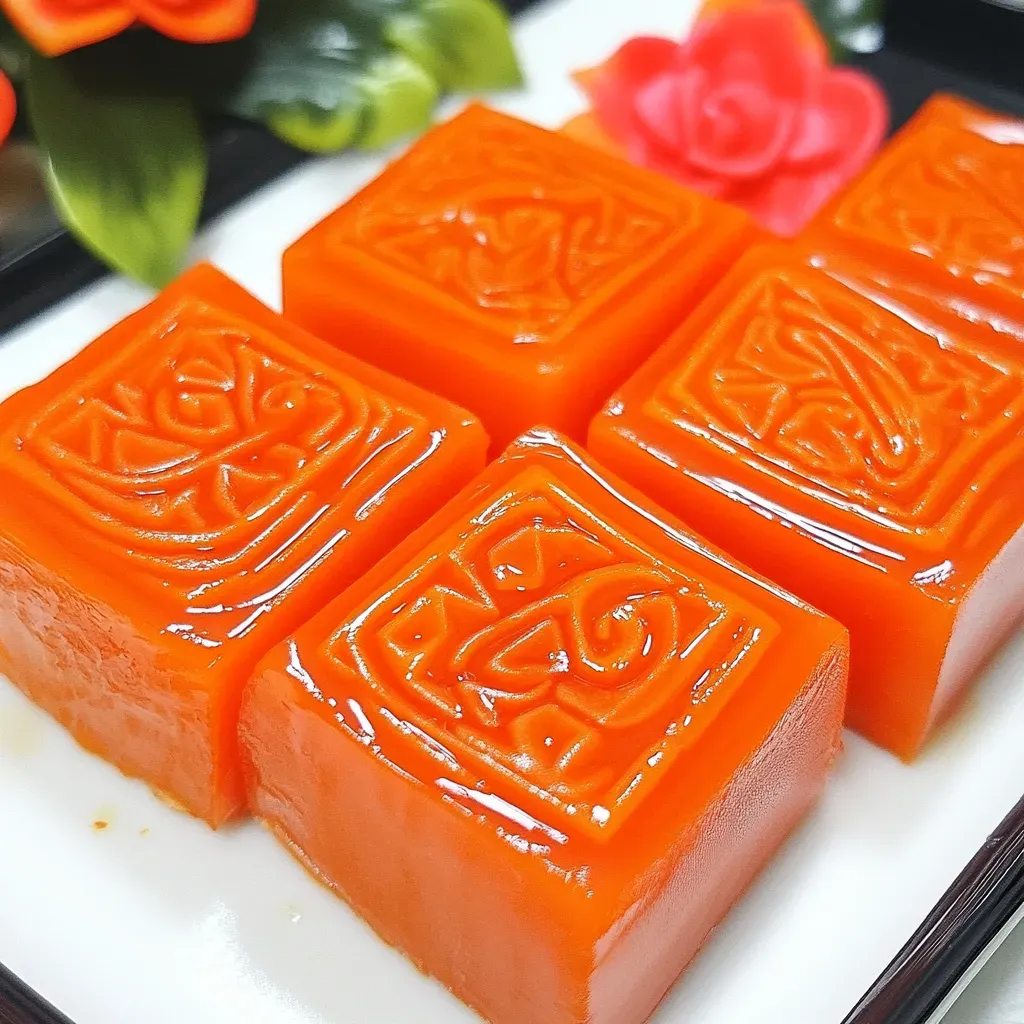
Exploring variations of Angku Kuih can be a delightful way to experiment in the kitchen. Here are some creative twists you can try to keep this traditional dessert exciting.
- Sweet Potato Variations: While traditional recipes use orange sweet potatoes, try purple or yellow sweet potatoes for a unique flavor and color.
- Different Fillings: Experiment with fillings like red bean paste, mung bean paste, or even a chocolate ganache for a modern twist.
- Custom Colors: Use natural food coloring extracted from fruits and vegetables, like beet juice for a vibrant pink hue.
- Mini Angku Kuih: For a bite-sized treat, make smaller versions. Perfect for parties or as a fun snack!
- Steam with Aromatics: Add pandan leaves or lemongrass to the steaming water. This infuses a lovely aroma into the Angku Kuih.
- Serving Suggestions: Serve with coconut cream on the side for added richness or sprinkle with toasted sesame seeds for extra crunch.
Serving Suggestions
When it comes to serving Angku Kuih, the options are just as delightful as the cakes themselves. Here’s how to elevate your serving experience:
- Tea Time Treat: Pair the Angku Kuih with a cup of fragrant tea, like jasmine or oolong, for a perfect afternoon snack.
- Festive Occasions: Serve these cakes during festivals, family gatherings, or Chinese New Year celebrations for a traditional touch.
- Storage Tips: Store leftovers in an airtight container in the fridge. They can last for up to a week, making them a fantastic make-ahead treat.
- Freezing Options: Freeze uncooked dough with filling for up to a month. Simply steam them from frozen when you’re ready to enjoy.
- Seasonal Pairings: Pair with fresh fruits like mango or coconut for a refreshing contrast during warmer months.
- Presentation: Serve on a beautiful platter lined with banana leaves for an authentic look that showcases their cultural significance.
FAQ
Conclusion
The Angku Kuih is not just a dessert; it’s a cherished tradition that brings families together. With every bite, you experience a piece of cultural heritage and a joyful connection to the past. I encourage you to try making this delightful treat for yourself. It’s a rewarding experience that will surely bring smiles to your table!
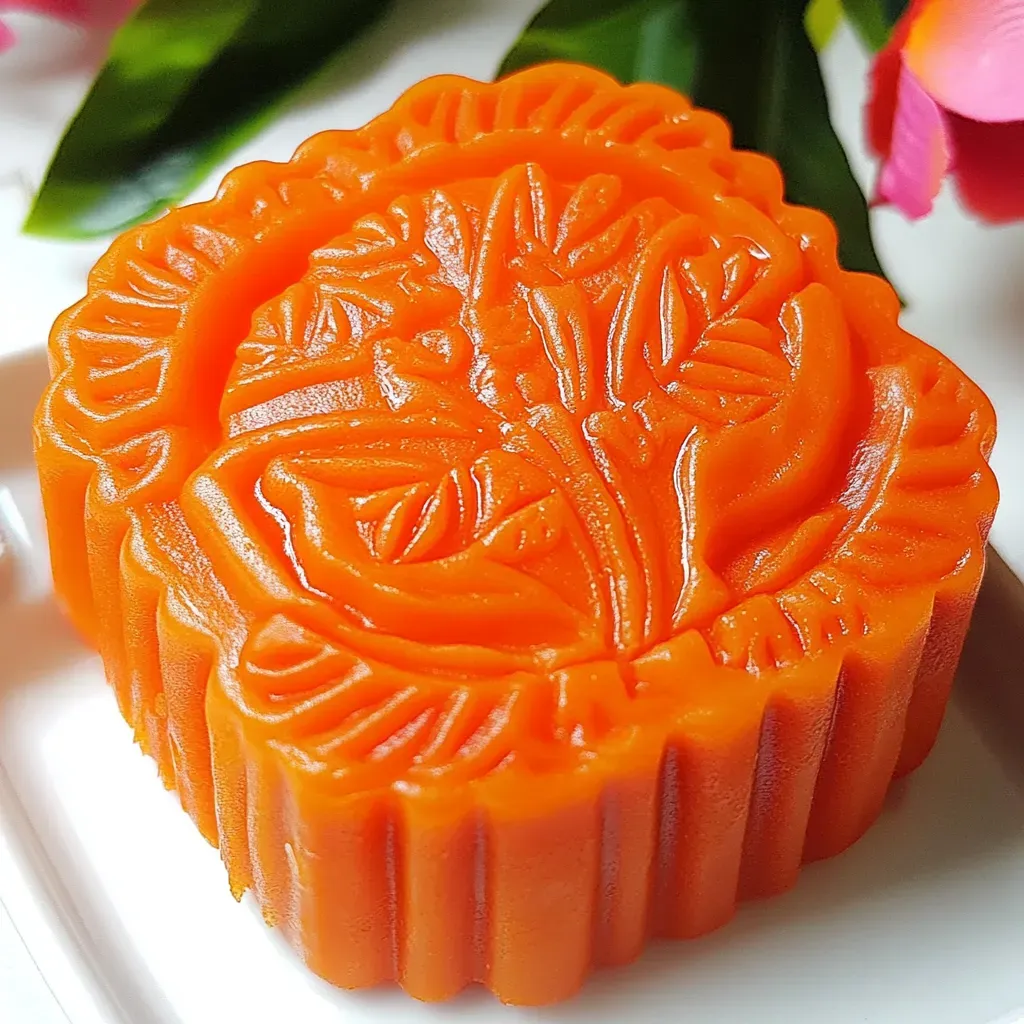
Angku Kuih
Ingredients
Equipment
Method
- Steam the green beans over boiling water for 30-40 minutes until soft. Then blend or mash the green beans until they become a paste.
- In a wok, combine the green bean paste, sugar, and oil. Stir over low to medium heat until the mixture thickens and no longer sticks to your hands. Let it cool, then shape into 30 balls, each about 20 g (¾ oz). (The size of the filling will depend on the size of your mold.)
- Mix the coloring, wheat starch, and water, stirring until well blended. Add the boiling water and mix until smooth and translucent.
- Add the sugar, glutinous rice flour, sweet potatoes, and water gradually. Knead until combined. Slowly add the oil and continue kneading until the mixture is smooth and no longer sticks to your hands.
- Lightly grease the banana leaves with oil.
- Divide the skin dough into 30 pieces. Flatten each piece to about 1/4 inch thick and wrap the filling inside, then roll into a ball.
- Lightly dust the Angku mold with glutinous rice flour. Press the dough ball into the mold and gently knock it out.
- Place the Angku on the banana leaf and steam over boiling water for 10 minutes. Brush the surface of the cooked Angku with oil to give it a glossy finish.